


Three years have passed since 7 October 2023. Three years since the morning that changed Israel, the Jewish community and the lives of thousands of families.
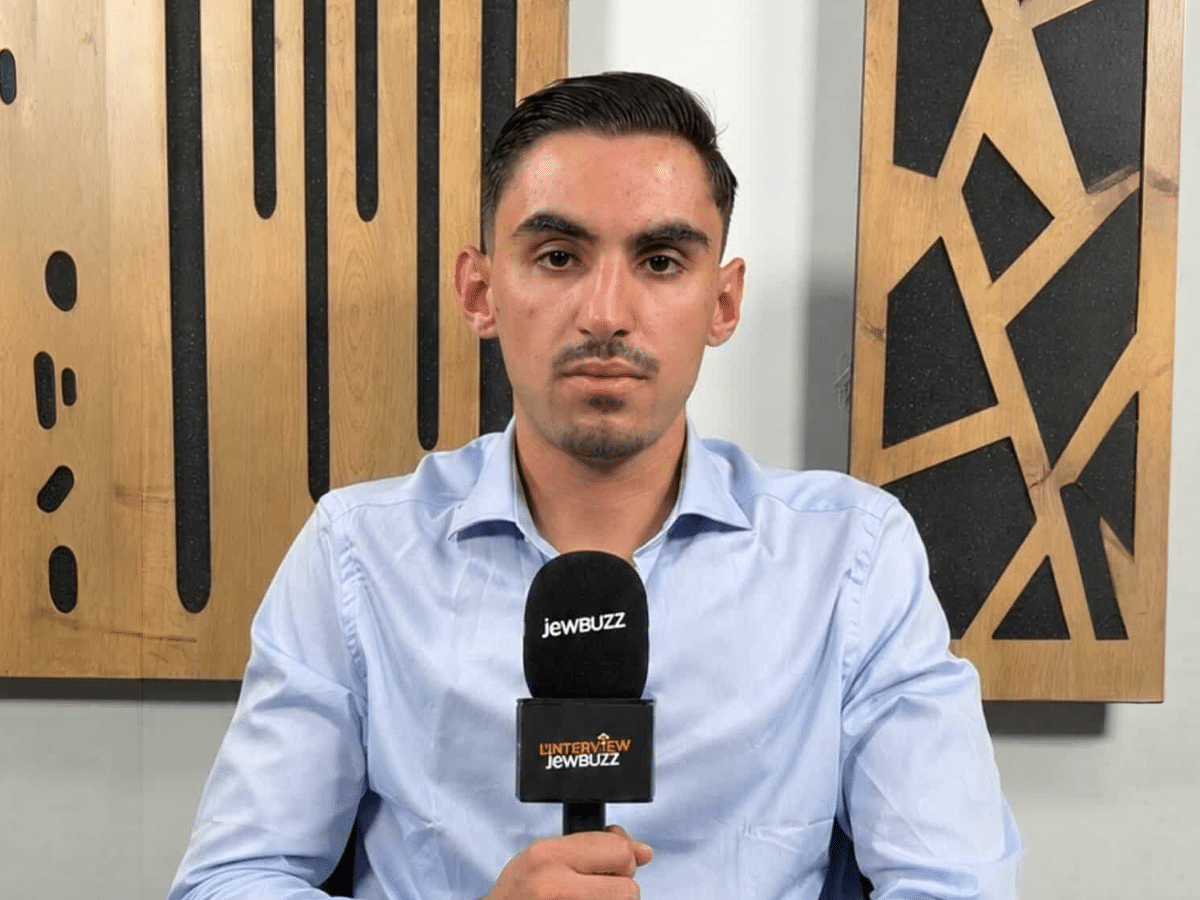
To mark this date, jewbuzz chose to do something simple: listen. Listen to Rom Braslavski, who was working as a security guard at the Nova festival when he was abducted. He would spend 738 days in captivity in Gaza before regaining his freedom and returning to his family.
How do you survive hunger, violence and fear for so long? What does daily life in that hell look like? And how do you return to normal life after experiencing the unimaginable? Rom agreed to answer jewbuzz’s questions and speak openly about his captivity and return to freedom.
The day everything changed
The interview begins where everything changed: at the Nova festival. Rom recounts that morning, his abduction and his entry into a reality that would last more than two years. Hunger, violence, isolation and no news from the outside world became part of everyday life.
Beyond describing what he endured, Rom also explains what he held on to in order to keep going. How do you keep track of time when every day feels the same? What do you still know about the outside world? Where do you find the strength to believe it will end?
Difficult questions that Rom chose to answer in his own words, openly.
Keeping faith when you lose your bearings
There is also a more intimate dimension to this conversation: faith. Yom Kippur, Passover, Hanukkah… Dates that usually shape our years, traditions and family lives. But how do you know a holiday is approaching when you are cut off from the world? How do you maintain a sense of direction and continue to believe in such circumstances?
Rom reflects on the place of faith during his captivity. Through these memories, we gradually meet someone beyond the former hostage whose story the world discovered: the young man behind the scars.
What comes next?
What does it feel like to finally see your family again after 738 days? How do you relearn life as a free person after experiencing the unimaginable?
Rom describes his return, his recovery and the new life he is learning to navigate. Since his release, he has also made a choice: to speak out. To recount what happened, turn his story into a mission and stand up for what he believes in.
In the interview, he shares a message for Jews who, facing antisemitism, now hesitate to express their identity.
Some interviews matter more than others
For almost ten years, jewbuzz has made you laugh, told the community’s stories, met you and sometimes tried more or less sensible things with a microphone. But sometimes, the best thing we can do with that microphone is hold it out and listen.
We did it with Léon Lewkowicz, one of the last Holocaust survivors, with Zarie Sibony, a survivor of the Hyper Cacher attack, and with Jonathan Chetrit, a survivor of the Ozar Hatorah school attack in Toulouse. Today, we do it with Rom.
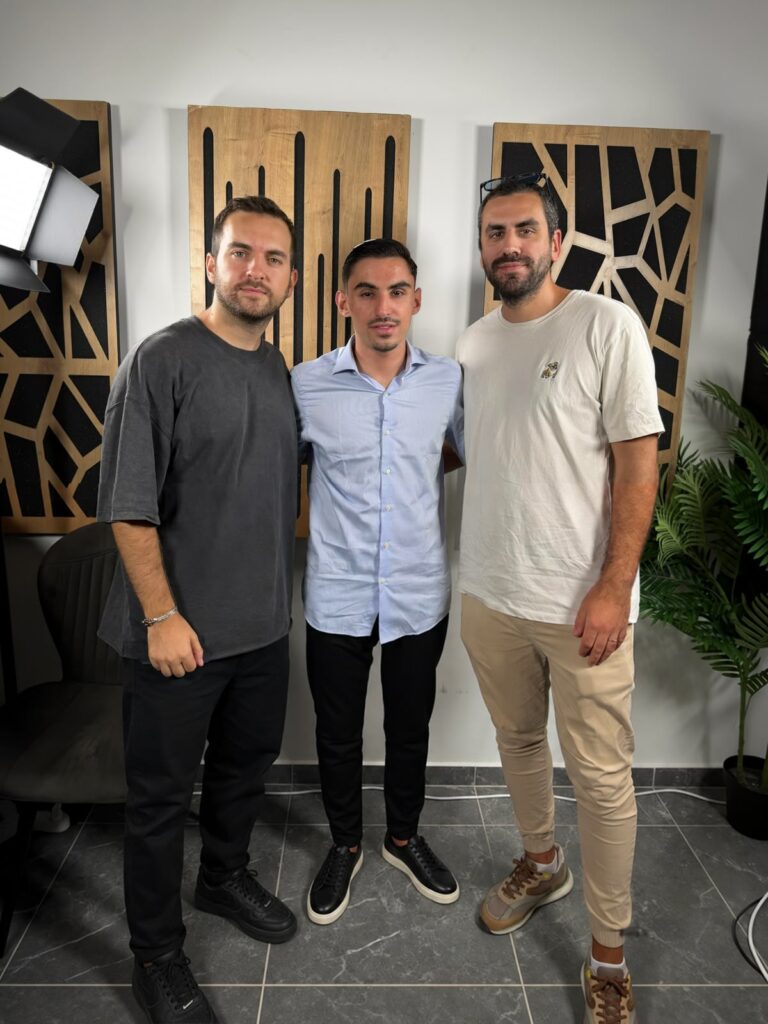
This meeting required extensive preparation: finding the right questions, and above all the right way to ask them. Filming was also particularly challenging for our team, as some accounts were difficult to hear.
These stories are, of course, different. But they all remind us why it is sometimes essential to set up the camera, listen and preserve the testimony of people who have experienced the unimaginable.
Three years later
Publishing this interview on October 7 was no coincidence. Exactly three years after the attacks, we chose to mark the date by giving space to someone still living directly with their consequences.
Rom spoke about captivity, but also about his faith, his family, his resilience, his return and the life he is rebuilding today.
Three years later, there is still much to tell, understand and pass on. On this October 7, we simply wanted you to listen to Rom.